Whatsapp
Abstract: The automobile subframe crossmember is a critical component of vehicle chassis engineering, designed to support the engine, transmission, and suspension while enhancing structural rigidity. This article provides an in-depth exploration of the specifications, applications, and common questions regarding automobile subframe crossmembers. The focus is on practical guidance for automotive engineers, mechanics, and enthusiasts seeking professional insights.
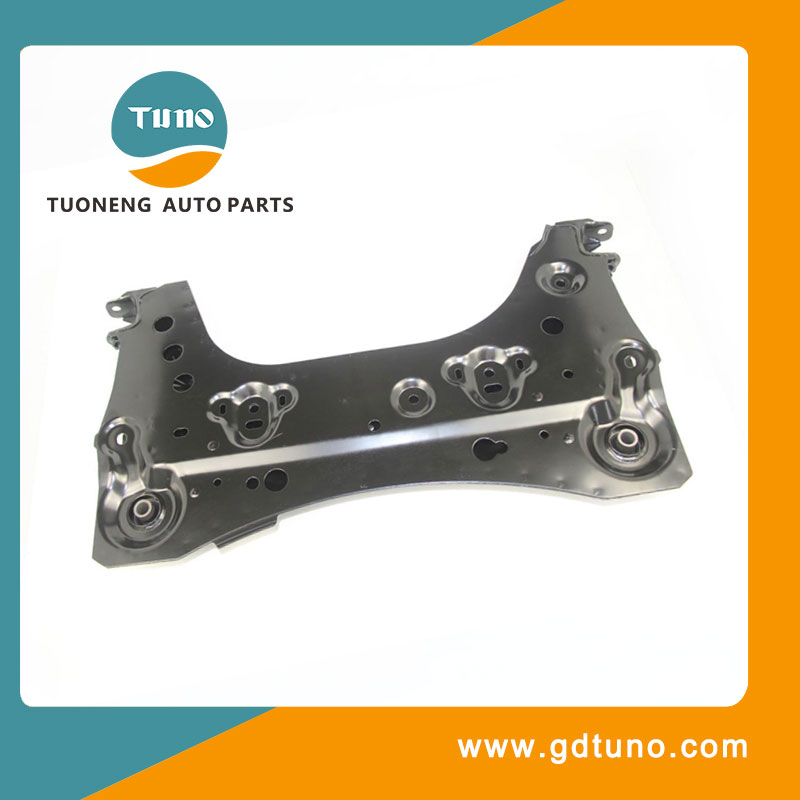
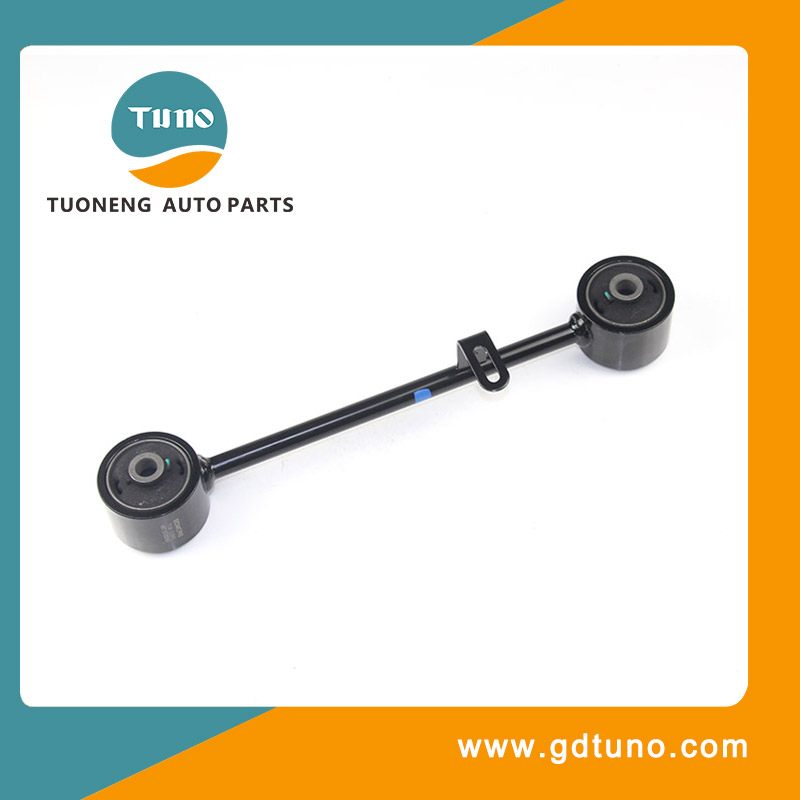
The automobile subframe crossmember is a structural component positioned under the vehicle's main body to support essential systems such as the engine, transmission, and suspension. It plays a crucial role in maintaining chassis integrity, enhancing vehicle handling, and absorbing stress during dynamic driving conditions.
This article explores:
Automobile subframe crossmembers vary depending on vehicle class, material, and design goals. Below is a professional overview of typical specifications:
| Parameter | Description | Typical Range |
|---|---|---|
| Material | High-strength steel, aluminum alloy | Steel: 450–600 MPa yield; Aluminum: 250–350 MPa yield |
| Weight | Structural mass of the crossmember | 15–35 kg |
| Dimensions | Length, width, and thickness | Length: 800–1200 mm; Width: 150–400 mm; Thickness: 5–12 mm |
| Load Capacity | Maximum supported engine and transmission weight | 200–500 kg |
| Corrosion Protection | Coating type or galvanization | Powder coating, zinc plating |
| Mounting Points | Number of attachment points to the chassis | 4–8 |
Subframe crossmembers are widely applied in various automobile classes, including:
Enhance front-end rigidity, absorb engine vibrations, and improve overall handling.
Optimized lightweight crossmembers reduce mass, improve weight distribution, and maintain high torsional rigidity for cornering performance.
Designed to sustain higher loads, off-road stresses, and dynamic suspension articulation, ensuring vehicle stability under heavy-duty conditions.
Support battery packs and electronic modules while providing structural integrity and crash energy management.
The impact of a well-engineered subframe crossmember is measurable in vehicle handling, crash performance, and long-term chassis durability.
The crossmember provides critical support for the engine and transmission, reduces chassis flex, and improves handling stability. By distributing loads evenly, it enhances durability and passenger safety.
Installation requires precise alignment with the vehicle's chassis mounting points. It is bolted using torque-specified fasteners. For modern vehicles, alignment tools may be used to ensure optimal suspension geometry and drivetrain efficiency.
Regular inspection for corrosion, cracks, or deformation is essential. Protective coatings should be monitored, and any compromised component must be replaced to maintain structural integrity and safety performance.
Yes. A properly designed crossmember reduces vibrations from the engine and road, minimizing NVH levels. This improves driving comfort and prolongs the lifespan of connected components.
Aftermarket crossmembers are available for performance upgrades or vehicle modifications. These typically offer enhanced material properties, lighter weight, or additional reinforcement but must be compatible with factory mounting points.
Automobile subframe crossmembers are indispensable for ensuring vehicle safety, stability, and performance. With precise engineering, material selection, and correct installation, they significantly influence ride quality, handling, and structural durability.
Tuoneng is a trusted provider of high-quality subframe crossmembers, supplying advanced solutions for passenger vehicles, commercial trucks, and specialized automotive applications. For more information or to discuss product requirements, please contact us today.
-