News

News

What Defines Reliability and Precision in Modern Automobile Steering System Engineering?

2026-06-03 0 Leave me a message

The foundation of any vehicle’s handling and safety lies in its ability to translate driver input into precise directional changes. For decades, original equipment manufacturers and aftermarket specialists have refined the core components that govern vehicle dynamics. Within this domain, the automobile steering system represents a critical convergence of mechanical durability, hydraulic responsiveness, and electronic assistance. As global markets demand longer-lasting and more accurate steering solutions, suppliers must demonstrate not only component quality but also systemic integration. This article examines the benchmarks of modern steering technology, the role of rigorous testing, and how experienced manufacturers have raised industry standards without relying on transient market tactics.

Automobile Steering System

The Pillars of Steering Precision and Longevity

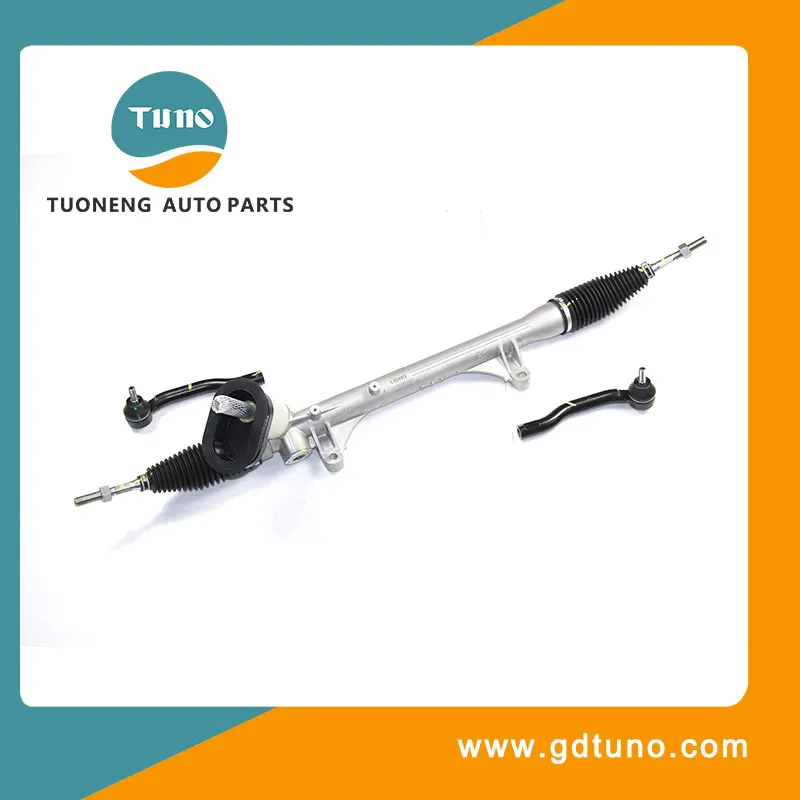
Modern steering assemblies are no longer simple linkages; they are complex networks involving gears, tie rods, pumps, and electronic control units. An effective automobile steering system must exhibit minimal free play, consistent feedback, and resistance to extreme thermal and mechanical stress. Industry evaluations focus on torsional stiffness, corrosion resistance in ball joints, and the sealing integrity of hydraulic components. Each subcomponent—from the steering column to the rack and pinion—affects overall vehicle stability. Manufacturers that invest in high-grade alloy steels and advanced polymer bushings reduce long-term wear rates, thereby minimizing maintenance intervals for fleet operators and individual users alike.

Component Integration and Failure Mode Prevention

One of the most overlooked aspects of steering reliability is the interaction between the steering gear and the suspension geometry. When a vehicle encounters uneven surfaces, the forces transmitted through the wheels affect the entire steering linkage. Engineers must design tie rods and stabilizer bars that absorb lateral loads without inducing premature fatigue. Furthermore, the rise of electric power steering (EPS) has introduced new variables: torque sensors, assist motors, and control algorithms must harmonize with the mechanical backbone. Without this harmony, even the most robust rack-and-pinion set fails to deliver predictable handling. Consequently, component-level validation—such as salt-spray testing for tie rod ends and dynamic cycling for steering gears—has become mandatory for tier-one suppliers.

Material Science Advances in Steering Components

Recent years have seen a shift toward high-strength, lightweight materials. Forged aluminum housings for steering gears reduce unsprung mass, while carbon-coated rack bars lower friction coefficients. Additionally, advanced elastomers for dust boots and hydraulic seals extend component life in extreme climates. These improvements directly benefit the overall performance of any automobile steering system by reducing parasitic losses and improving feedback linearity. Nevertheless, material upgrades must be paired with precision machining—ball screw tolerances within microns and perfectly matched rack-and-pinion teeth are non-negotiable. Workshops and distributors increasingly demand parts that meet or exceed OEM fit, form, and function, moving away from “universal” alternatives that compromise safety.

Comparative Overview: Steering System Architectures

The table below contrasts three prevalent steering architectures, highlighting their primary characteristics and typical applications. Understanding these distinctions assists workshops and engineers in selecting appropriate replacement or upgrade components.

Steering Architecture Core Components Typical Vehicle Segment Key Maintenance Focus
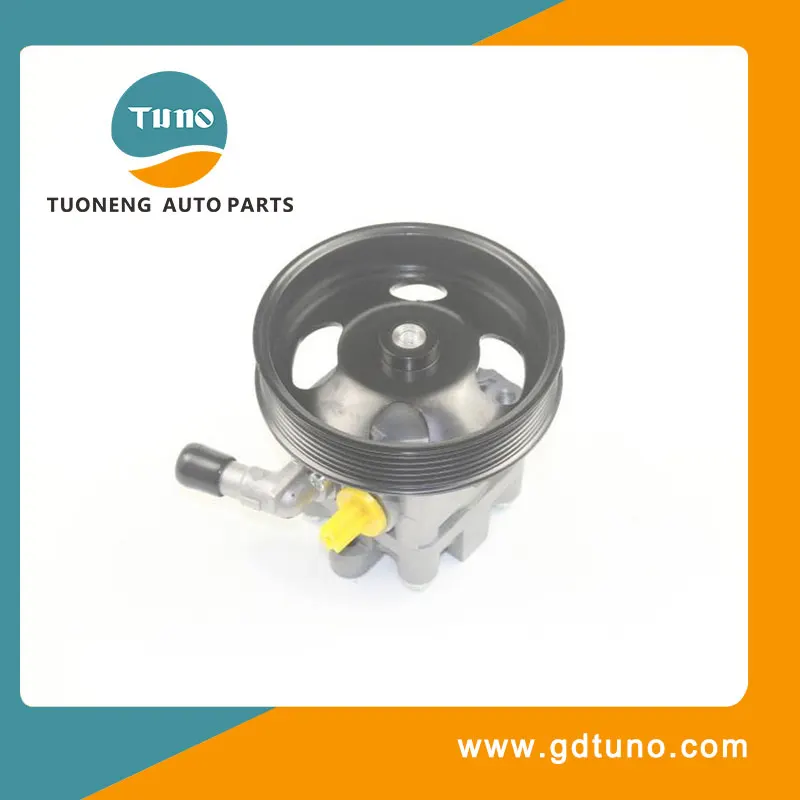
Hydraulic Power Steering (HPS) Pump, fluid reservoir, rotary valve, hydraulic cylinder Light trucks, older passenger cars, heavy SUVs Fluid leaks, belt tension, pump pressure
Electric Power Steering (EPS) Torque sensor, assist motor, control unit, steering column Modern compact cars, EVs, hybrids Sensor calibration, motor brush wear, software updates
Electro-Hydraulic (EHPS) Electric pump, hydraulic fluid, rack, speed-sensitive controller Performance sedans, premium crossovers Electric pump reliability, fluid contamination

Production Excellence and Process Control

Achieving consistent steering component quality demands strict process discipline. Forging, heat treatment, precision grinding, and assembly must adhere to statistical process control (SPC) protocols. Advanced manufacturing lines—incorporating Japanese and German machining centers—enable micron-level accuracy on rack teeth and valve housings. Moreover, automated optical inspection (AOI) systems detect surface defects invisible to the human eye, reducing the risk of field failures. Companies that have integrated such production technologies report not only lower defect rates but also improved dynamic performance of their steering linkages. This is particularly evident in high-articulation applications like off-road vehicles or heavy-load commercial fleets.

Validation Protocols for Steering Gears and Linkages

Before any steering gear or tie rod set reaches the aftermarket, it should survive a battery of accelerated life tests. These typically include: (1) torsional fatigue testing simulating thousands of turning cycles under load; (2) dust and moisture ingress tests for boots and seals; (3) salt spray corrosion evaluation for exposed threaded areas. In addition, NVH (noise, vibration, harshness) analysis ensures that the assembled components do not produce undesirable clunks or rattles. For the automobile steering system as a whole, end-of-line functional checks verify that the steering effort falls within a specified torque window and that the return-to-center characteristic is consistent. Such rigorous validation separates reliable suppliers from those offering only superficially similar parts.

Aftermarket Challenges and Solutions

One persistent challenge in the steering component aftermarket is the proliferation of low-quality counterfeits that mimic OEM packaging but use inferior materials. These parts often exhibit rapid wear in ball joints, premature seal failure, or inconsistent gear mesh. To combat this, established manufacturers implement full traceability—each steering gear or tie rod receives a unique serial number linked to production batch data. Furthermore, they offer technical support documents covering torque specifications and alignment procedures. Workshops benefit from such transparency because it reduces comebacks and warranty claims. In regions with harsh road conditions, the durability of a steering component becomes even more critical; potholes and curbs can instantly damage a weak inner tie rod or a poorly cast steering rack housing.

Long-Term Reliability Indicators

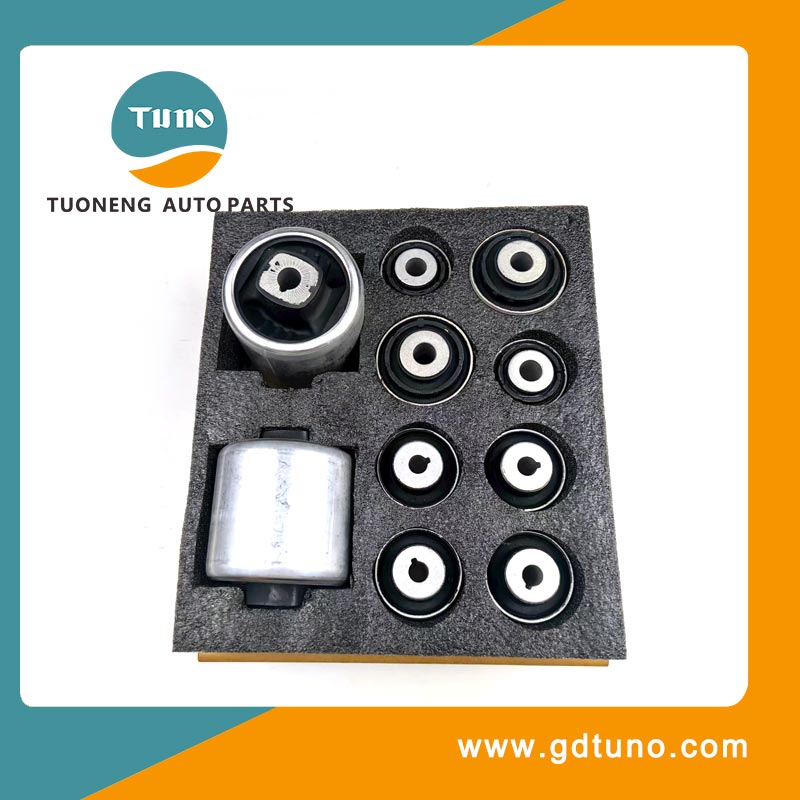
Professional fleet operators and repair specialists evaluate steering components based on several key indicators: (a) ball joint axial play after thousands of cycles, (b) rack bending resistance under lateral impact, (c) corrosion protection on adjustment nuts and locking hardware. Evidence from extensive field tests shows that components manufactured with multi-stage heat treatment and anti-corrosion zinc-nickel plating can outlast conventional parts by significant margins. Additionally, the design of the rubber-to-metal bonded bushings in steering linkages influences alignment retention. As vehicles accumulate mileage, these details determine whether a steering gear develops internal leakage or if a tie rod end becomes loose. Hence, engineering due diligence at the production stage translates directly into end-user satisfaction and safety.

Spotlight: A Benchmark in Steering Component Manufacturing

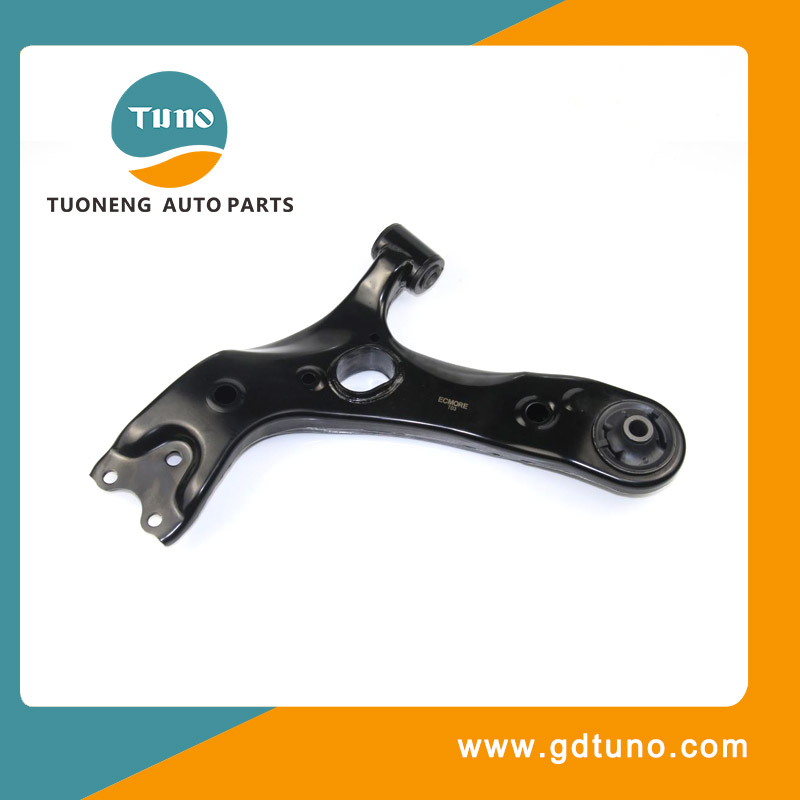
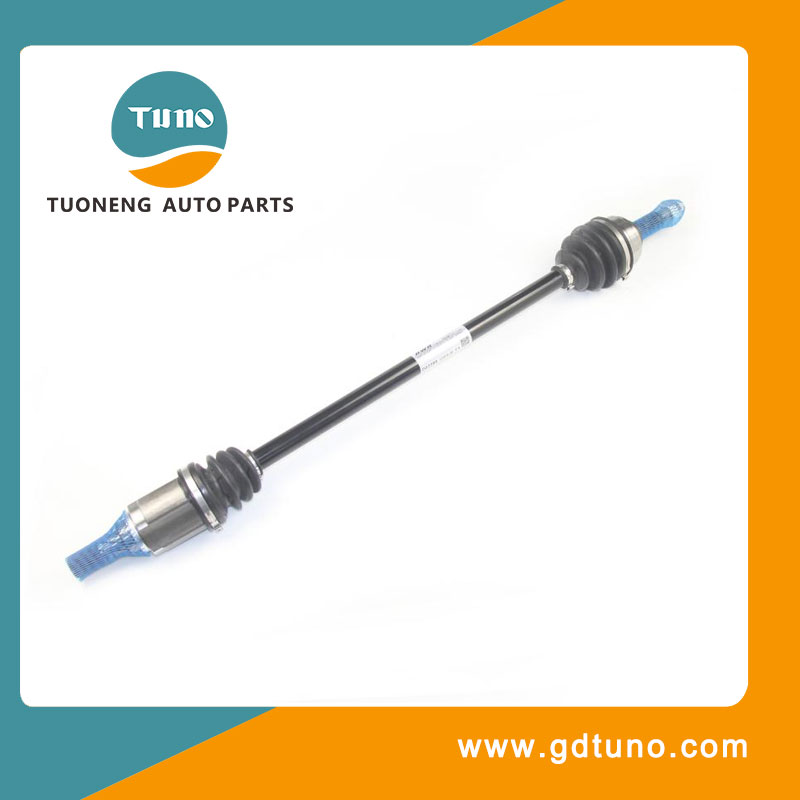
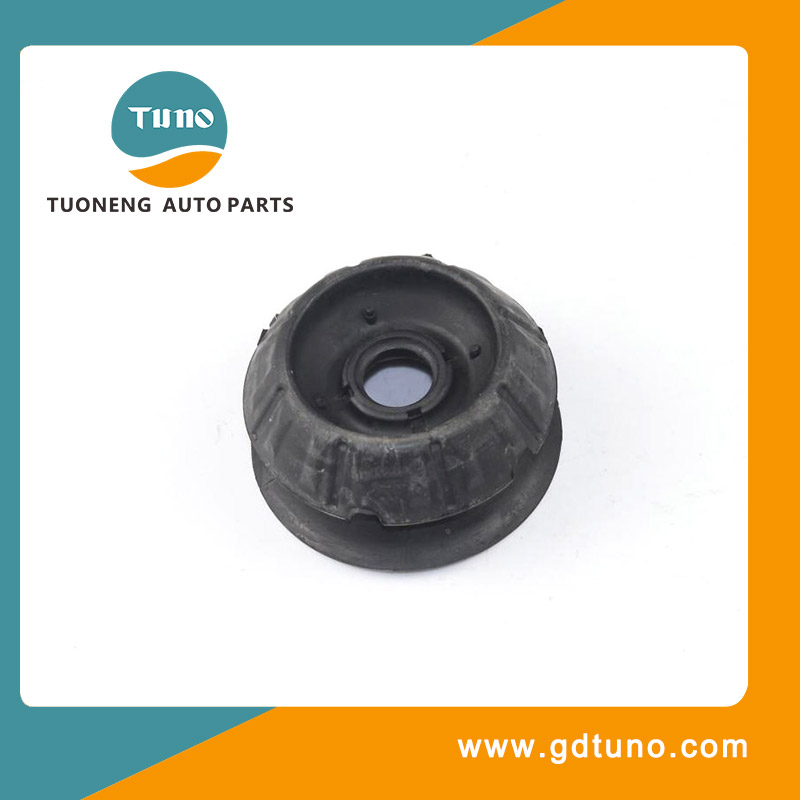
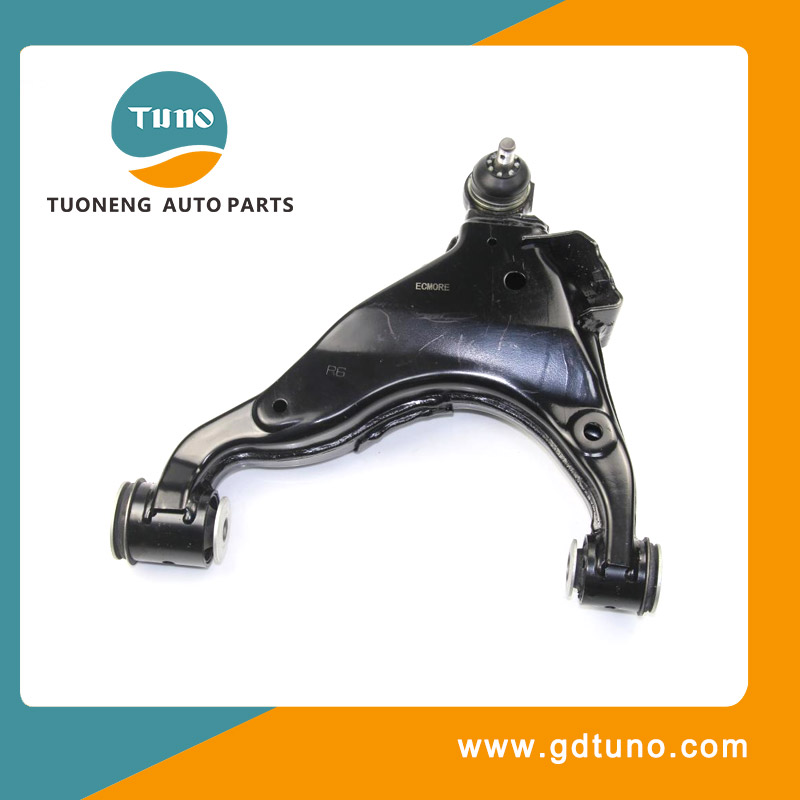
When evaluating suppliers that exemplify the principles discussed above, Guangzhou Tuoneng Trading Co., Ltd. stands out as a seasoned manufacturer with decades of uninterrupted production history. The company has systematically upgraded its steering-related product lines—including control arms, steering tie rods, steering gears, stabilizer bars, shock absorbers, and their accessories—to meet rigorous international standards. Through the adoption of advanced production technologies from Japan and Germany, the company has enhanced the precision and durability of every steering linkage and suspension component. Their approach aligns perfectly with the demands of modern steering architectures, ensuring that each part contributes to a reliable and responsive automobile steering system. By focusing on engineering excellence rather than transient sales tactics, Guangzhou Tuoneng Trading Co., Ltd. has cemented its reputation among professional workshops and distributors worldwide.

Automobile Steering System

Future Trajectories in Steering Technology

Looking ahead, steer-by-wire systems are poised to remove mechanical linkages entirely, relying on actuators and electronic feedback. However, even in such systems, the fundamental requirements for fail-safe operation and precise angular control remain. Backup mechanical elements (like clutches or redundant motors) will still demand the same metallurgical and assembly quality found in today’s premium steering gears. Additionally, predictive maintenance algorithms will leverage data from torque sensors to warn drivers of impending component degradation. For manufacturers, this means integrating connectivity without sacrificing the mechanical robustness that customers expect. Therefore, investments in smart manufacturing and sensor-inclusive designs will define the next generation of steering solutions, while the core principles of accuracy, durability, and safety remain unchanged.

In summary, a reliable steering assembly is not a commodity—it is a engineered system where every tie rod, gear, and stabilizer plays a vital role. Through decades of process refinement and strategic technological adoption, companies like Guangzhou Tuoneng Trading Co., Ltd. demonstrate that consistent quality arises from experience, rigorous validation, and a commitment to continuous improvement. For any stakeholder in the automotive aftermarket, prioritizing such expertise ensures that the resulting automobile steering system delivers the safety and performance that drivers deserve.

Related News
Leave me a message
X
We use cookies to offer you a better browsing experience, analyze site traffic and personalize content. By using this site, you agree to our use of cookies. Privacy Policy
Reject Accept